
METAL MATERIALS, PARTS, PRODUCTS, AND STRUCTURES
COMPOSITE CONSTRUCTION MATERIALS, FRP PROFILES (FIBERGLASS PROFILES), AND STRUCTURES
Engineering, structural, and construction materials, components, and connections have always been – and will continue to be – in demand. This business unit of the AMO GROUP is a full-scale structure that provides private and corporate clients with the ability to make a purposeful selection from a wide range of materials, components, and structures. At its production facilities, the company fulfills orders for manufacturing various parts and structures from metals, as well as composite materials, including FRP (Fiberglass Reinforced Plastic) profiles and fiberglass structures.
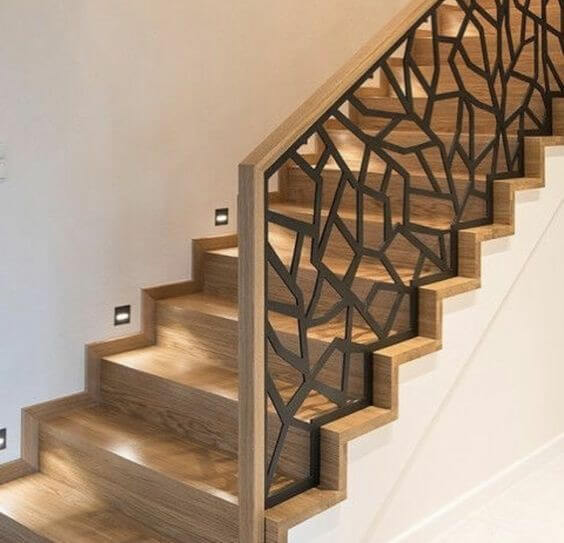
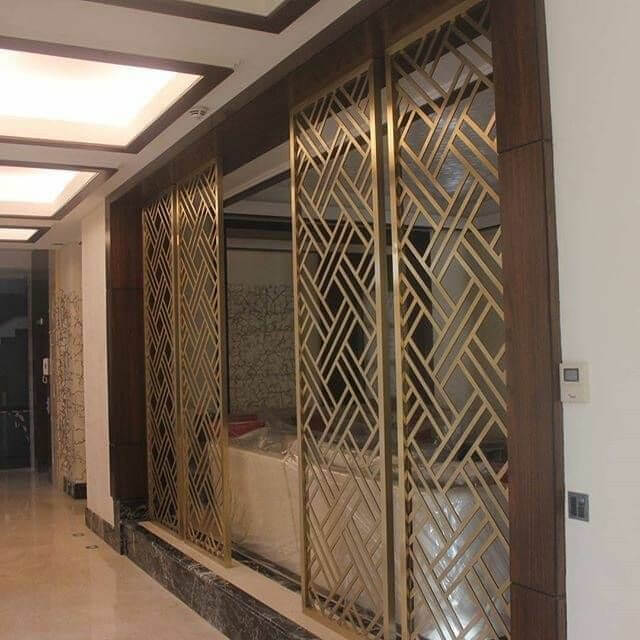
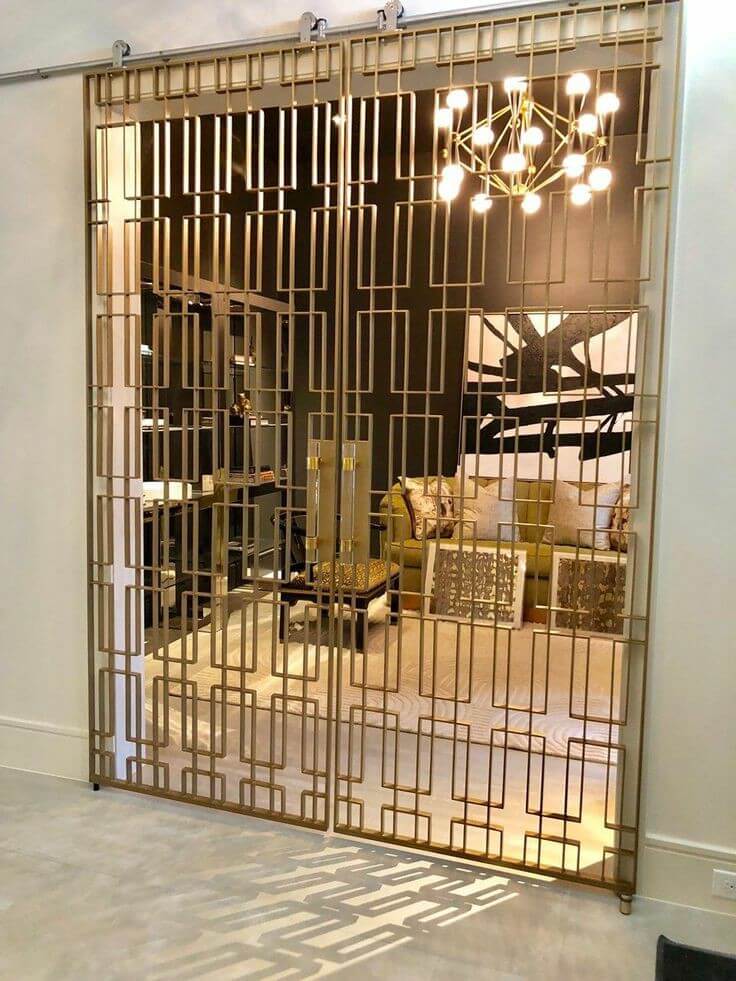
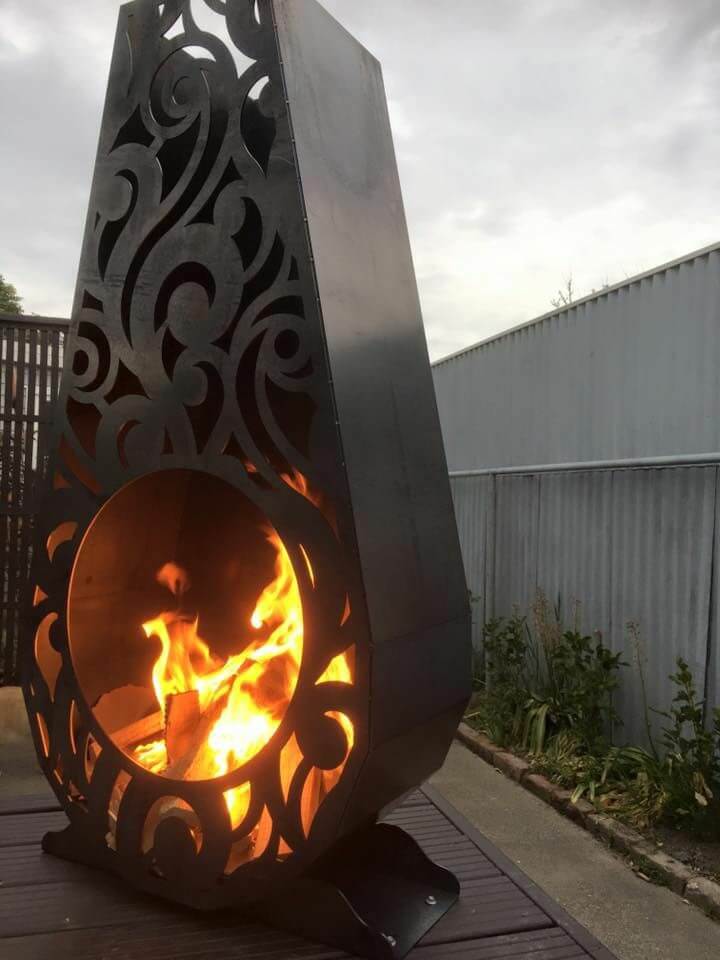
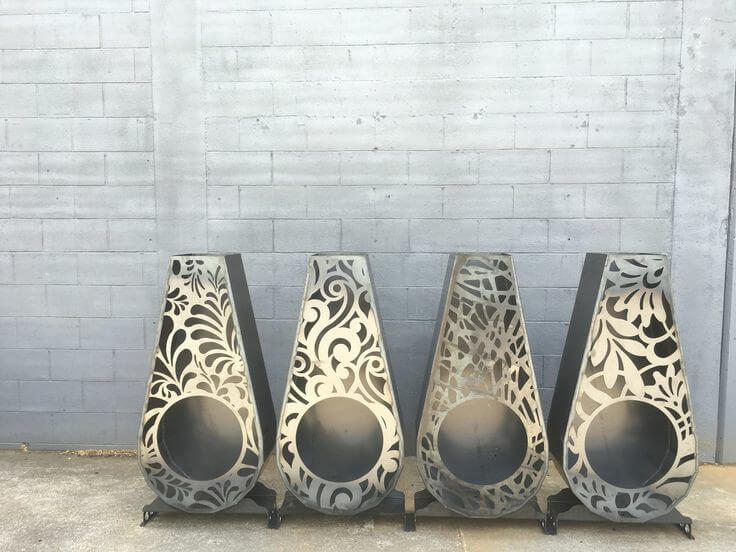
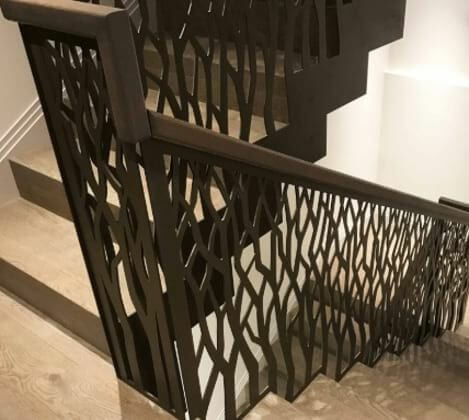
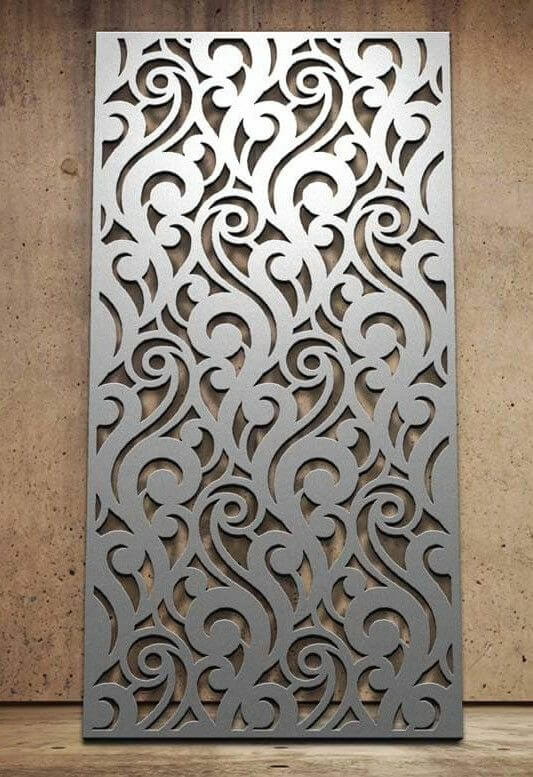
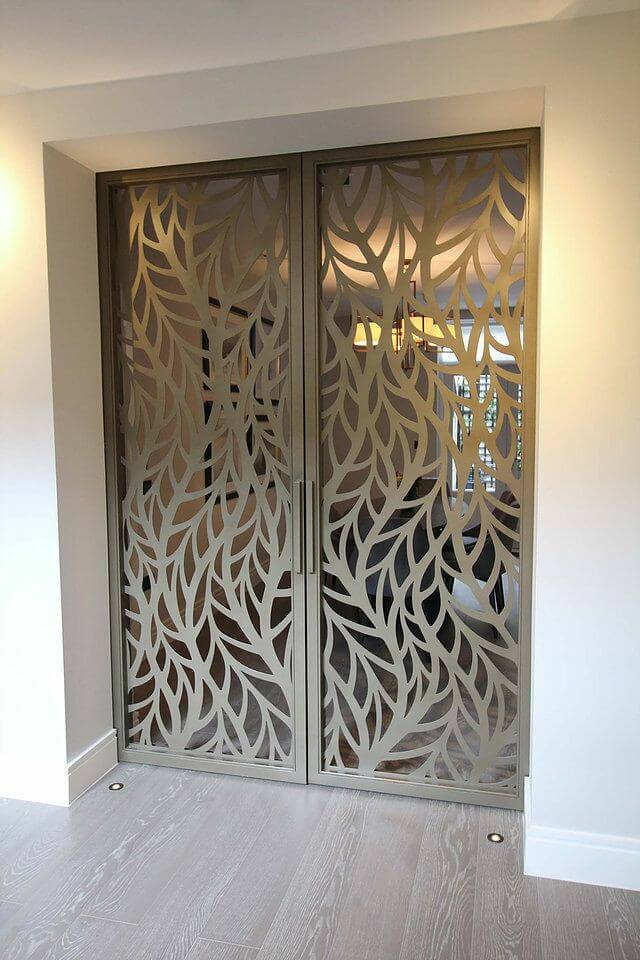
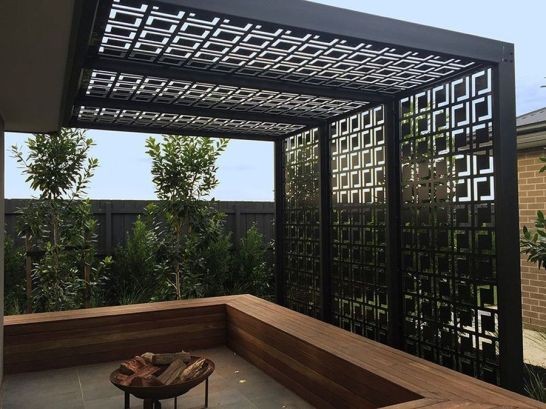
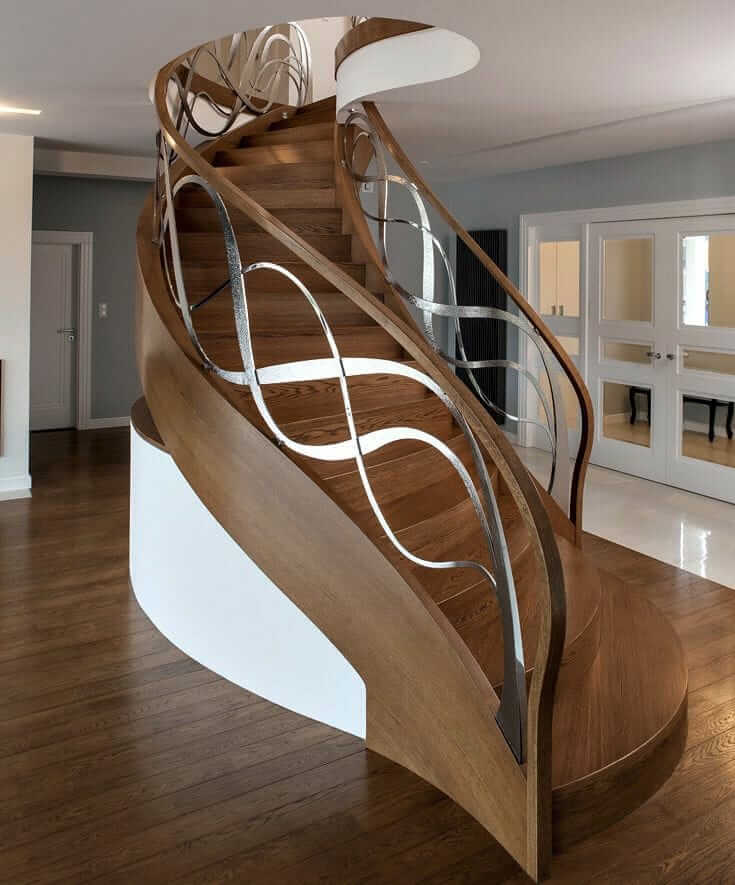
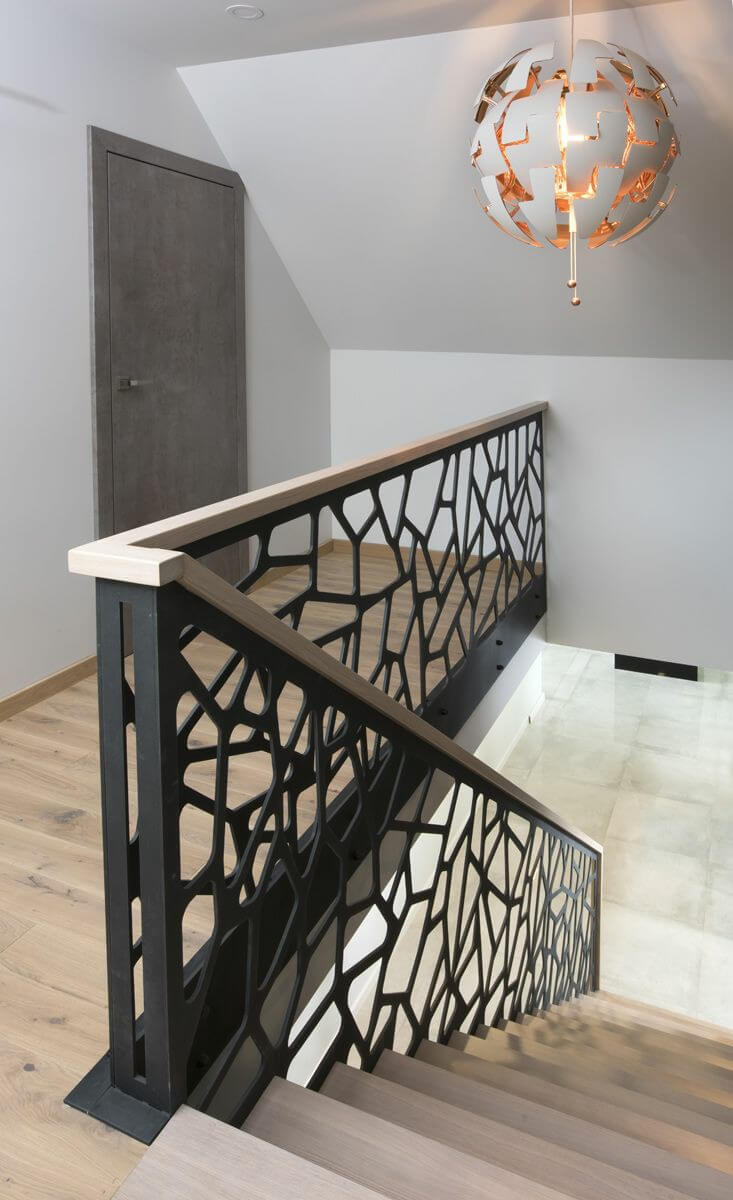
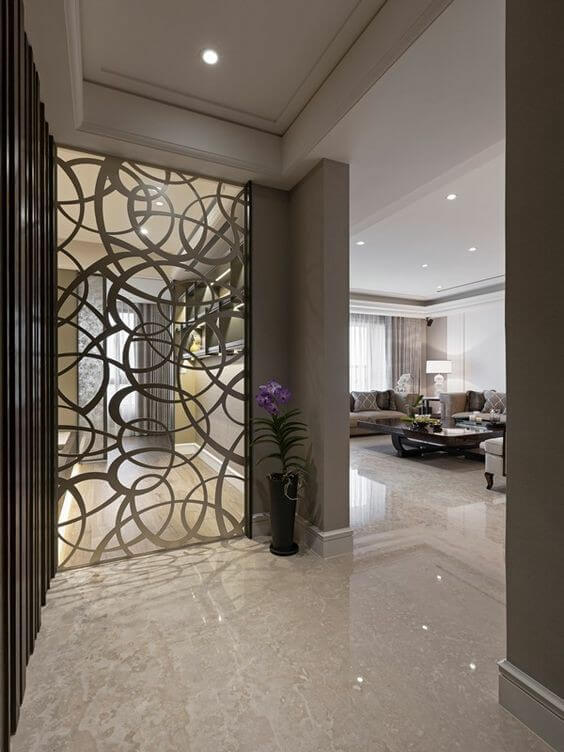
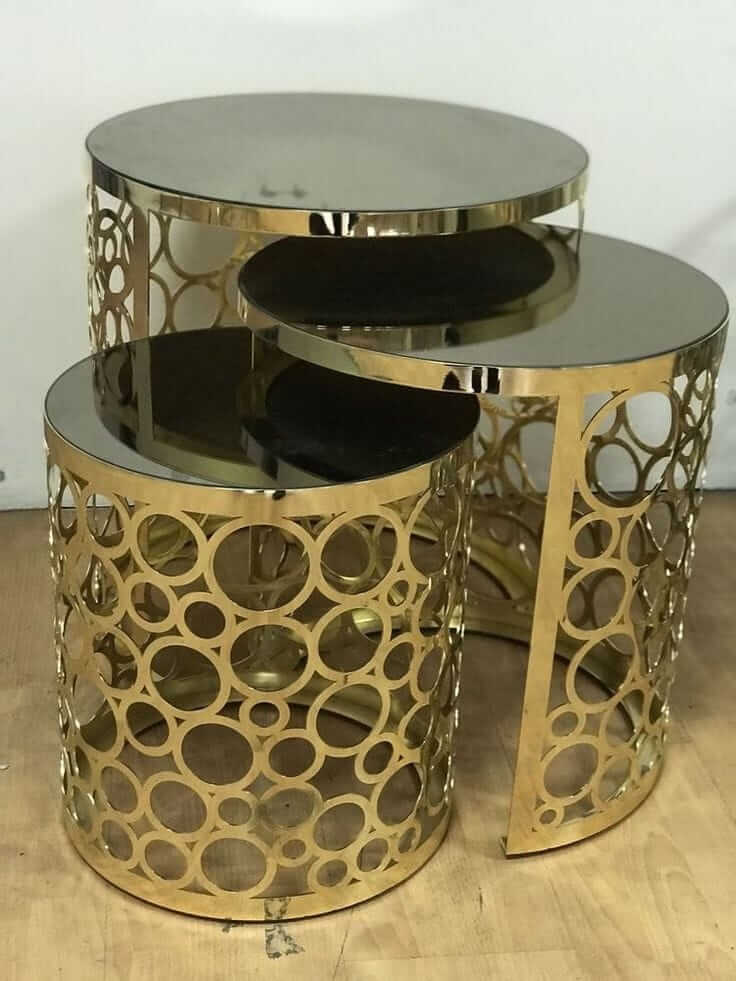
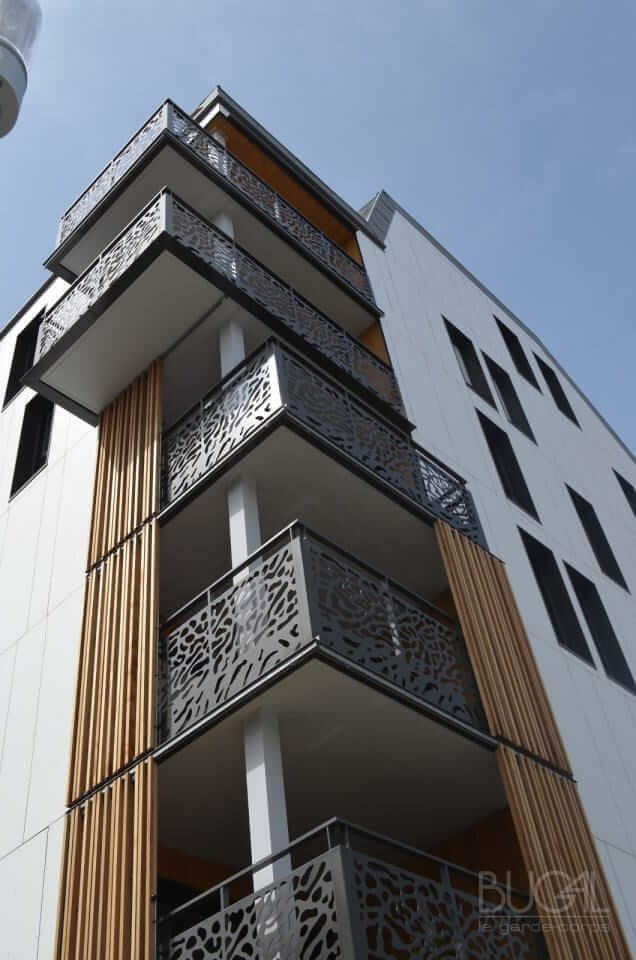
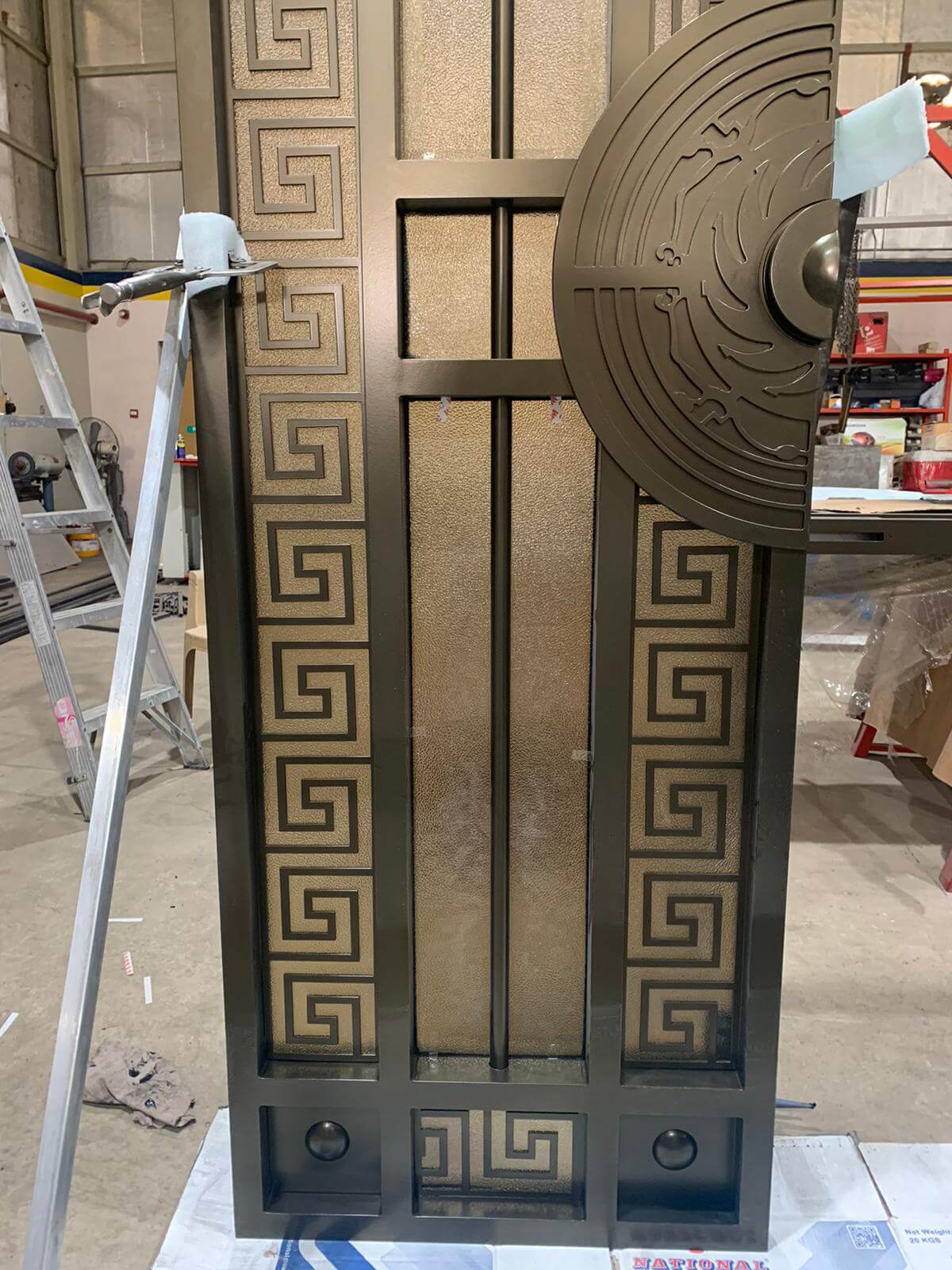
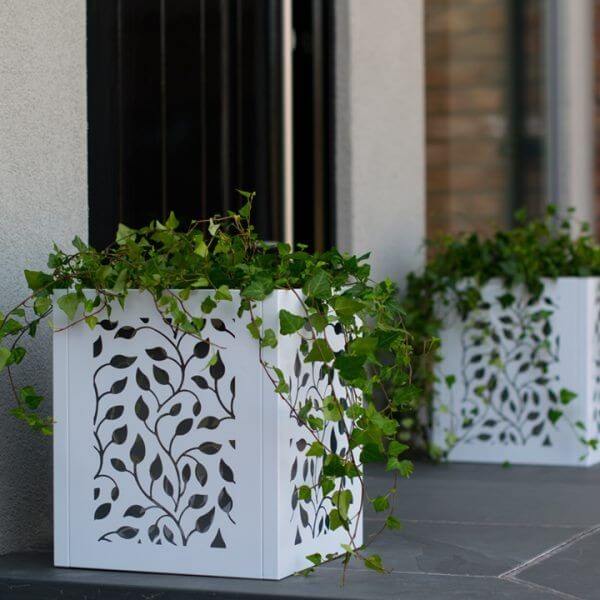
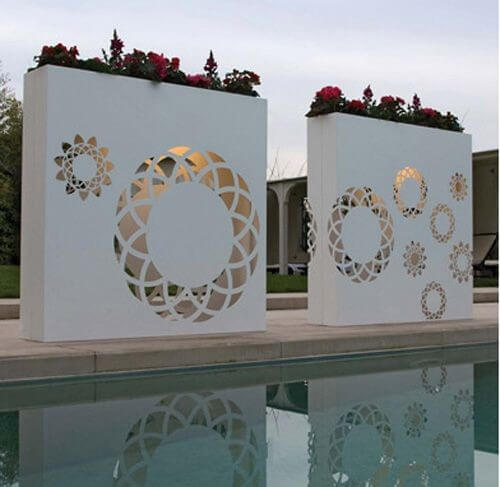
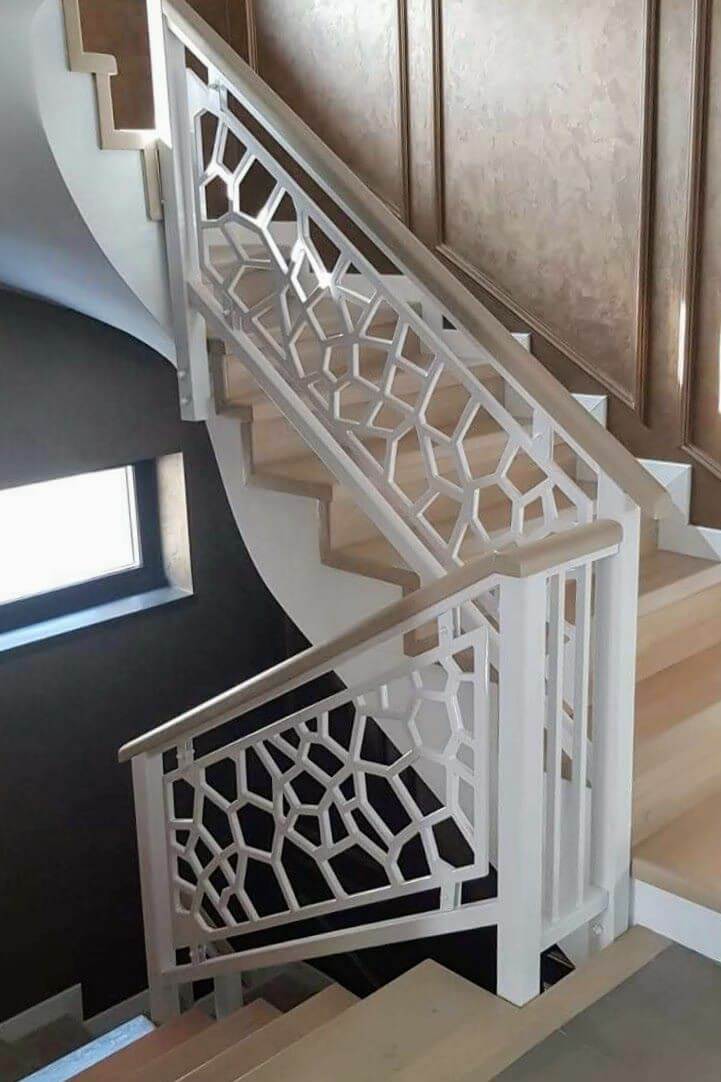
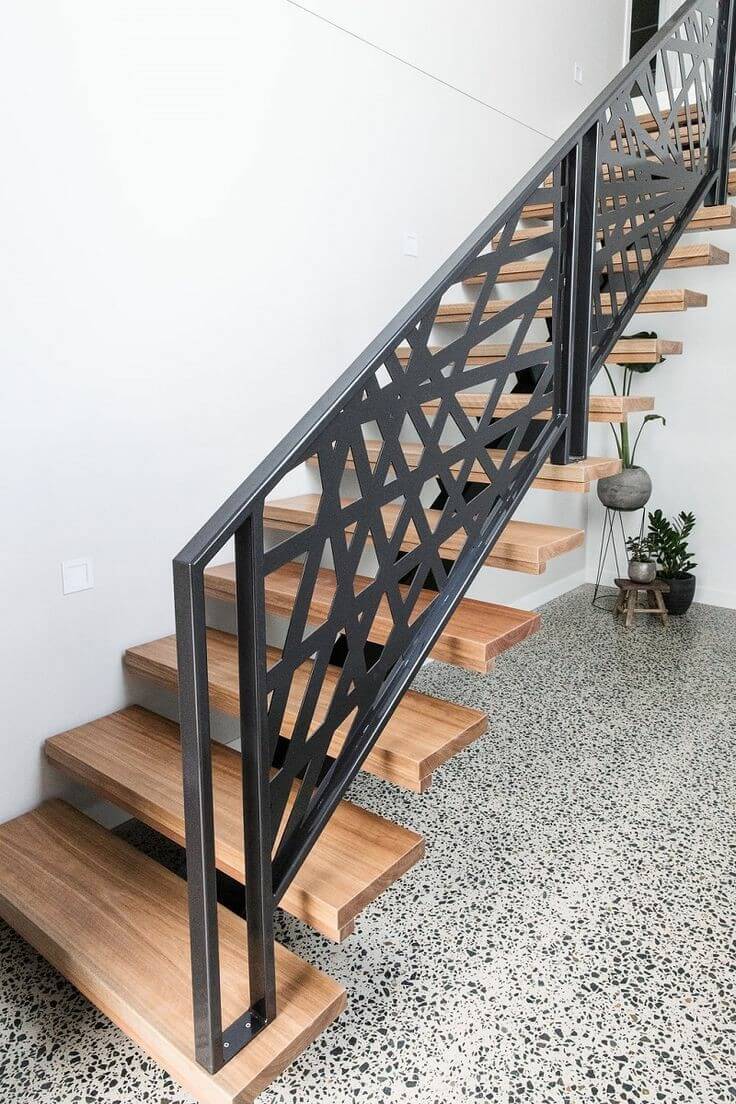
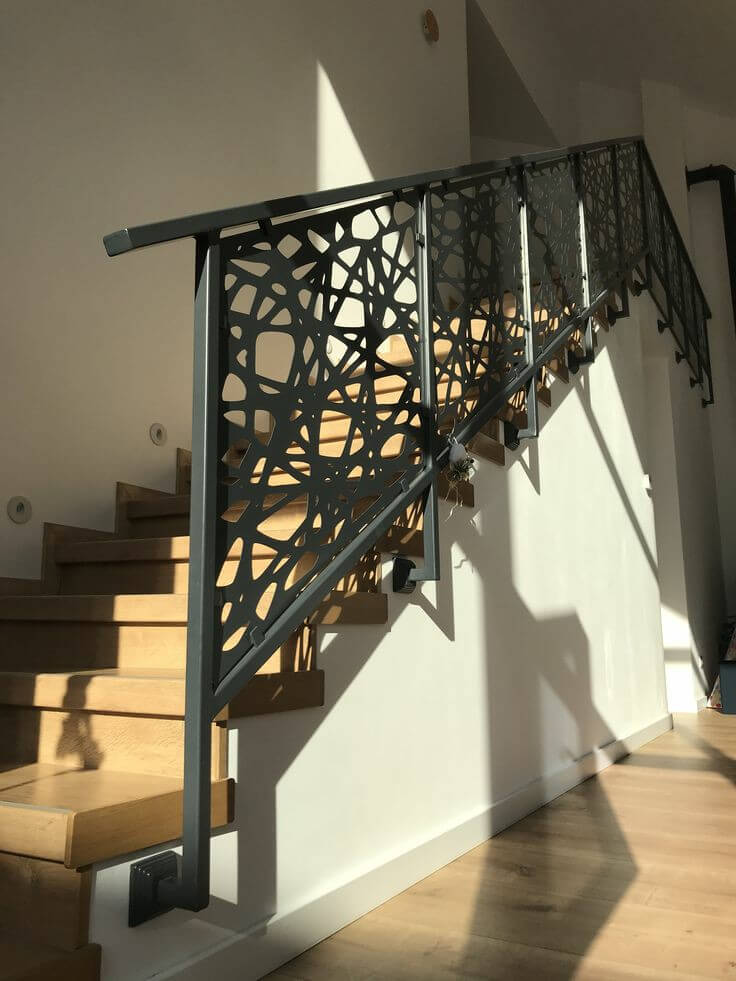
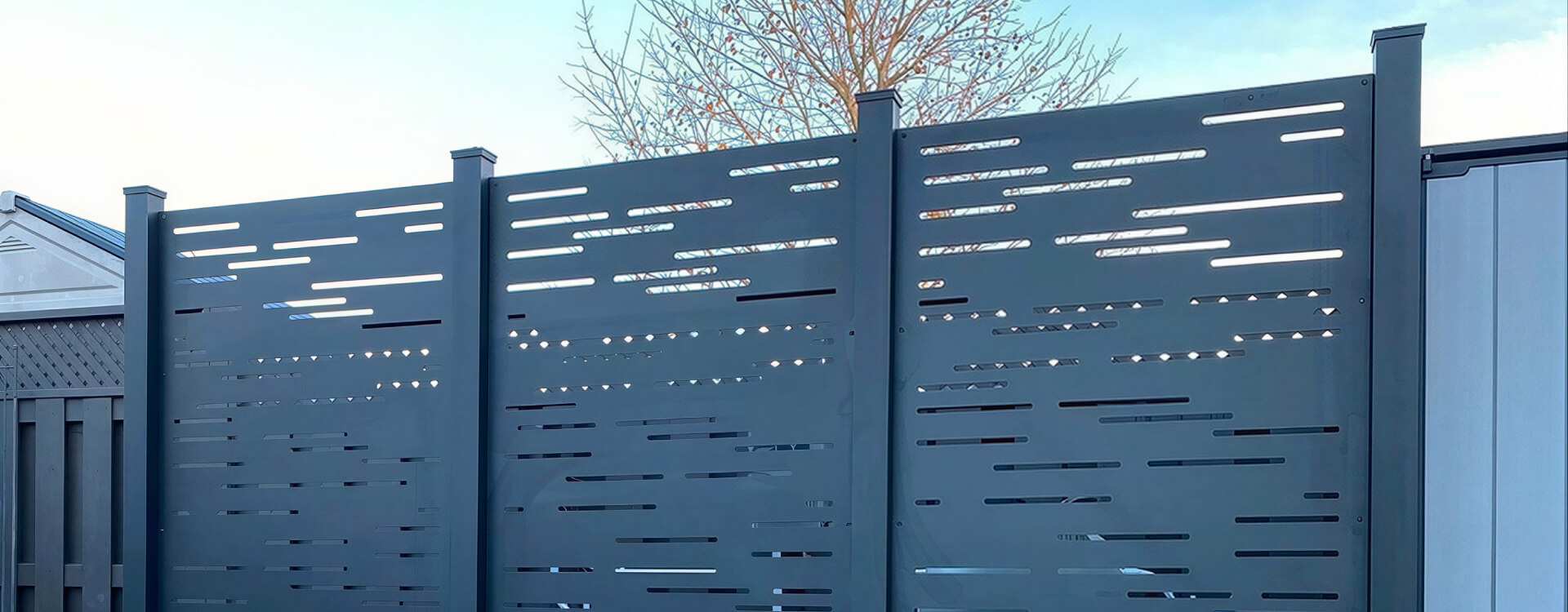
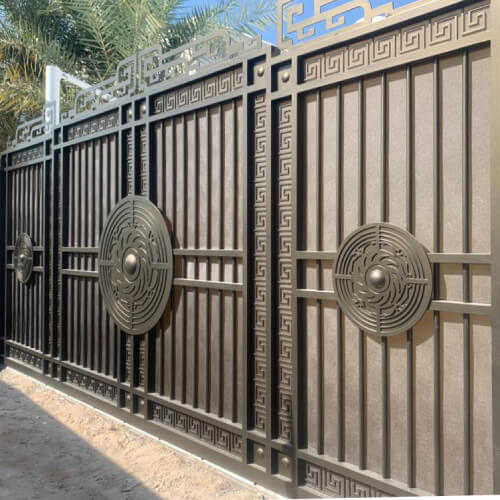
Any metal part or structure for our clients becomes a reality after a visit from our engineers and architects and after the client presents their requirements. High-precision laser cutting and milling, and the creation of creative, high-quality structures and products from various metals – you will find all of this with us. The same applies to composite materials, FRP (Fiberglass Reinforced Plastic) profiles, and fiberglass structures. If metal parts and structures have long been known and widely used in many fields and do not require detailed explanation, then fiberglass composite materials and FRP profiles are new to our market. They are structural materials that offer many advantages compared to metal, wood, concrete, and plastic.
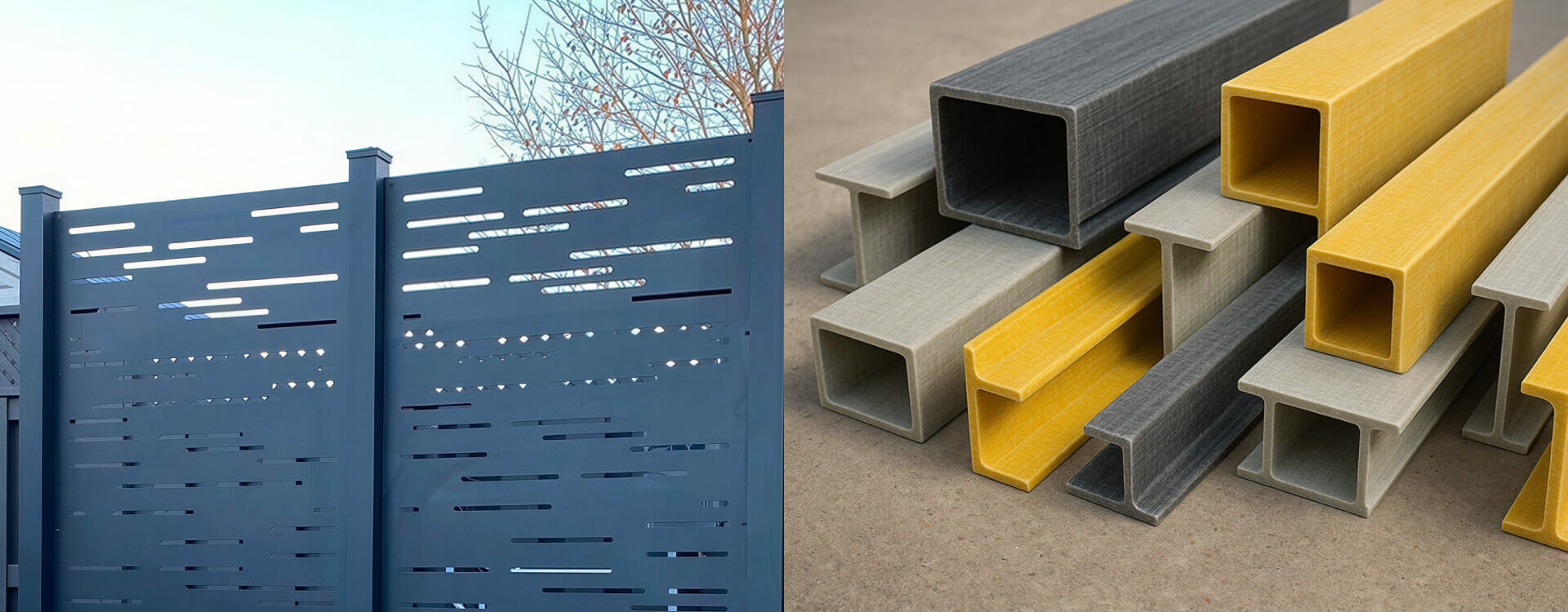
Fiberglass composite materials and FRP profiles (Fiber Reinforced Plastic) are structural elements made of fiberglass composite consisting of glass fiber and plastic resin in a specific ratio. They are manufactured industrially, most often by the pultrusion method, which ensures stable geometry and high quality.
Composition of fiberglass composite materials / FRP profiles
- Reinforcement: glass fiber (carries the main load)
- Matrix: polyester, vinyl ester, or epoxy resin
- Additives: UV stabilizers, flame retardants, pigments
Key properties
- High strength at low weight
- Absolute resistance to corrosion and moisture
- Service life of 30–50 years
- Do not conduct electricity
- Do not require painting or maintenance
- Resistant to chemical and aggressive environments
Main areas of application
- Construction and landscaping / urban improvement
- Pedestrian bridges, decking, canopies, waterfront structures
- Railings, fences, load-bearing frames
- Industrial and chemical facilities (aggressive environments)
- Energy and transport infrastructure
- Agriculture
Main advantages
Fiberglass composite materials and FRP profiles combine the strength of metal, the resistance of plastic, and the durability of stone, while remaining lightweight and easy to install.
Compared to metal, fiberglass composite (FRP) does not corrode, is 3 to 5 times lighter than metal, does not require regular maintenance or painting, has low thermal conductivity (meaning it transfers almost neither heat nor cold), is not electrically conductive, and has a service life of 40–50 years, whereas metal typically lasts 10–25 years. Thus, fiberglass composite materials and FRP profiles outperform metal in life-cycle performance and operation and are ideal for fast-assembled modern structures.
Compared to wood, it does not absorb moisture, does not rot, is not affected by insects or rodents, does not deform, remains stable, and does not burn. Thus, fiberglass composite (FRP) can be considered a “permanent” alternative to wood.
Compared to conventional plastic, it has high strength and stiffness, a wide operating temperature range from –60°C to +150°C, and is used as a load-bearing structure. Fiberglass composite (FRP) is an engineering, structural construction material – not household plastic.
Compared to concrete/stone, it is very lightweight, excellent for fast installation, does not form cracks during use, and has high flexibility. Thus, fiberglass composite (FRP) is ideal for modern structures and building façades.
In all cases, composite materials and FRP profiles are economical over many years; savings over decades: no corrosion, no painting, no repair, no replacement. Composite materials are not simply a replacement for metal, wood, concrete, etc. – they are the next technological step: maximum durability with minimal operating costs.